

Many people feel a little nervous before their first coaching session. You might be wondering what will happen, what you should say, or whether you are even “doing it right.” That is completely normal.
The good news is that the first coaching session is usually structured in a way that helps you feel grounded quickly. It sets the tone for the coaching relationship, clarifies what you want to work on, and gives you a clear sense of what the process will look like going forward.
In this article, we are referring to the first full coaching session after you decide to work with a coach, not the initial intro or chemistry session. A free intro session usually happens earlier and focuses on fit, coaching style, expectations, and whether you want to continue. By the end of this guide, you will feel more prepared, more confident, and ready to make the most of your first full coaching session, whether you are working with a life coach, career coach, or executive coach.
Understanding the First Coaching Session Structure
Intro or Chemistry Session Explained
Before the first full coaching session at The Pigeon Hole, our coaches offer a short intro or chemistry session, usually around 30 minutes. This session is often free and gives both the client and coach an opportunity to assess whether there is a good fit.
During this session, you may discuss the coach’s style, expectations, session cadence, and how the coaching process works. It also allows you to ask questions and decide if you feel comfortable moving forward.
Once you decide to proceed, the first full coaching session will focus more deeply on your goals, challenges, and the direction of your coaching journey.
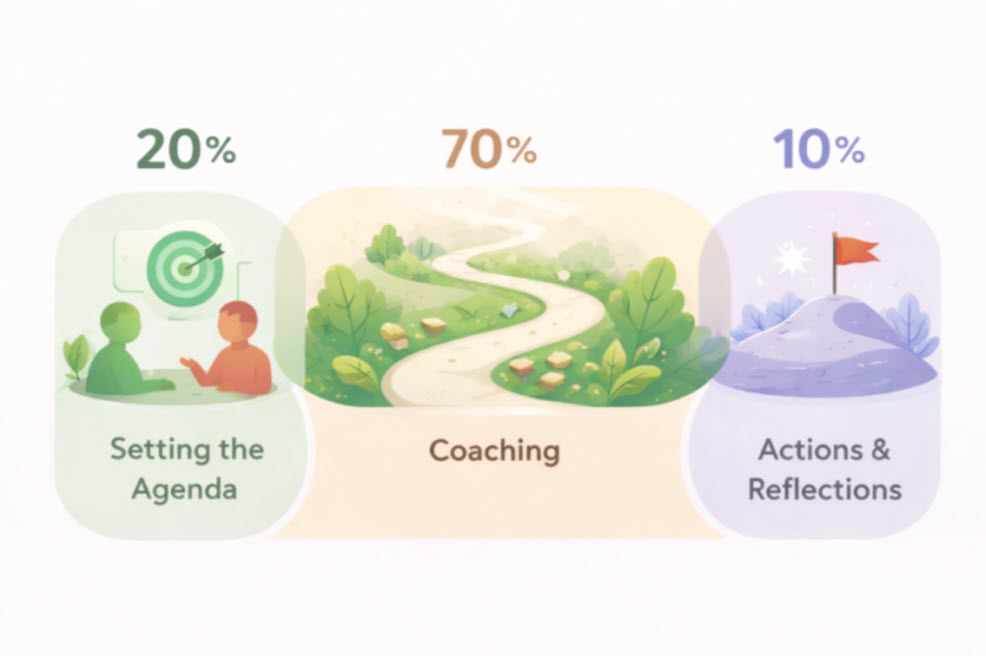
Opening and agenda setting
Most first coaching sessions begin with a short opening that helps you settle into the conversation. The coach may check in on how you are feeling, create a comfortable space, and confirm what you would like to focus on during the session.
This part is less about solving the problem straight away and more about building trust, setting direction, and making sure both of you are aligned before going deeper.
Clarifying goals and exploring your situation
The main part of the session is usually where the real coaching happens. Here, your coach will help you clarify what you want, explore your current situation, and better understand the challenges, patterns, or beliefs that may be shaping your experience.
You may be asked reflective questions such as what success would look like, what feels stuck right now, or what matters most to you in this situation. This deeper exploration helps uncover clearer goals, meaningful insights, and a stronger sense of direction.
Setting action steps and accountability
Most sessions end with a short closing focused on turning insight into action. Rather than leaving with only ideas or reflections, you will usually leave with a few practical next steps to work on before the next session.
Your coach may also help you set a timeline, identify any support you need, and define what progress will look like before you meet again. This helps create accountability and keeps momentum going between sessions.
Typically, you will end with:
-
- 1 to 3 practical action steps
- A rough timeline or deadline
- Any support or resources you may need
- A clearer focus for the next session
This closing structure keeps momentum going and helps your progress feel steady and measurable.
Key Topics Covered in Your First Session
Coaches explore specific topics during the first coaching session to build a comprehensive picture of the client’s circumstances and aspirations.
| Topics | What it usually covers |
| Your current situation and challenges | Understand what is happening now, what feels difficult, and what led you to seek coaching. |
| Your goals and desired outcomes | Clarify what you want to achieve and what progress would look like. |
| Strengths, values, and limiting patterns | Identify personal strengths, core values, and patterns that may support or block progress. |
| Initial action plan and accountability | Define next steps or reflections to maintain momentum between sessions. |
How to Prepare for Your First Coaching Session
Preparation transforms nervous anticipation into productive engagement. Plan at least 10-15 minutes before your first coaching session to mentally prepare.
Reflecting on your goals in advance
Before your first session, it helps to spend a little time reflecting on what you want to achieve. You do not need perfectly polished answers. As the International Coaching Federation explains, coaching is a thought-provoking process where clarity often emerges through conversation itself. What matters is that you begin thinking intentionally about direction.
A simple way to prepare is to look at your goals across three horizons:
-
- Long term: What do you want your life or career to look like in the bigger picture?
- Next 12 months: What would meaningful progress look like within a year?
- Next 30 days: What feels most urgent or important right now?
As you reflect, consider where you are today compared to where you want to be. The gap between those two points often highlights unmet needs, frustrations, or ambitions that are worth exploring.
Do not worry about organising your thoughts perfectly. Jot down ideas, even if they feel messy or incomplete. Those notes can provide powerful starting points and give your coach a clearer sense of what matters most to you.
Identifying key challenges or decisions
Write down what’s taking up mental energy or creating feelings of being stuck. Identify specific situations you’d like to unpack, such as a difficult conversation you’ve been avoiding or a decision weighing on you. Note patterns in your behaviour or recurring questions you’ve been circling.
Preparing questions for your coach
Draft questions about the coaching process itself, your goals, or specific challenges. Ask about their approach, how you’ll measure progress, and what success looks like. If you’re uncertain about any aspect of coaching, contact us for guidance before your session begins.
Bringing an open and honest mindset
Check your mental state shortly before the session starts. Take deep breaths if your mind races in multiple directions. Coaching works best with openness, even when feeling overwhelmed or unclear. You don’t need perfect articulation or complete clarity to begin.
Conclusion
Your first coaching session does not have to feel overwhelming once you know what to expect. As you have seen from the structure above, these early sessions follow a clear and supportive flow that helps you build connection while setting meaningful direction.
With a little preparation, uncertainty becomes confidence. You can show up ready to reflect, engage openly, and make real progress from the very first conversation.
Ready to start your professional coaching journey?
If you are ready to begin, find the right professional coach for your goals on The Pigeon Hole. Start your coach matching journey today and take the first step towards meaningful growth.